overview
A hybrid grid system is a modern electrical power grid that intelligently integrates and manages multiple sources of electricity, combining the traditional, centralized power plant model with distributed energy resources (DERs). Its core purpose is to create a more resilient, efficient, flexible, and sustainable energy network.
Think of it as an upgrade from a one-way highway system to a dynamic, multi-layered smart traffic network. The traditional grid is like a highway where power flows only from large power plants (the city center) to consumers (the suburbs).
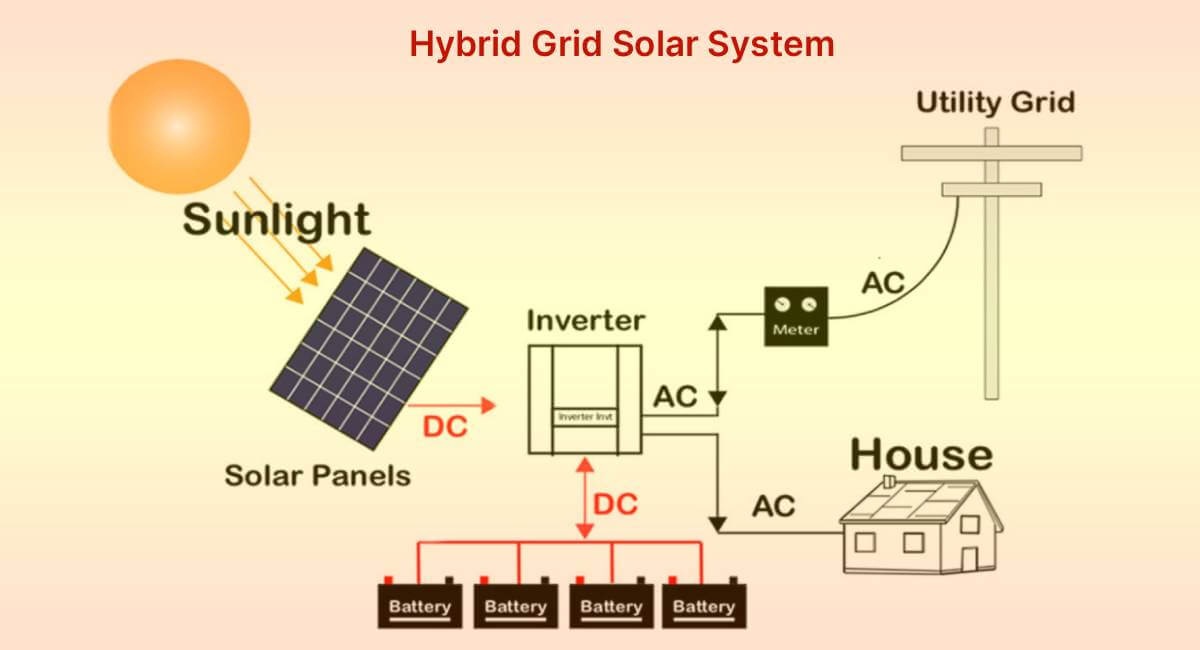
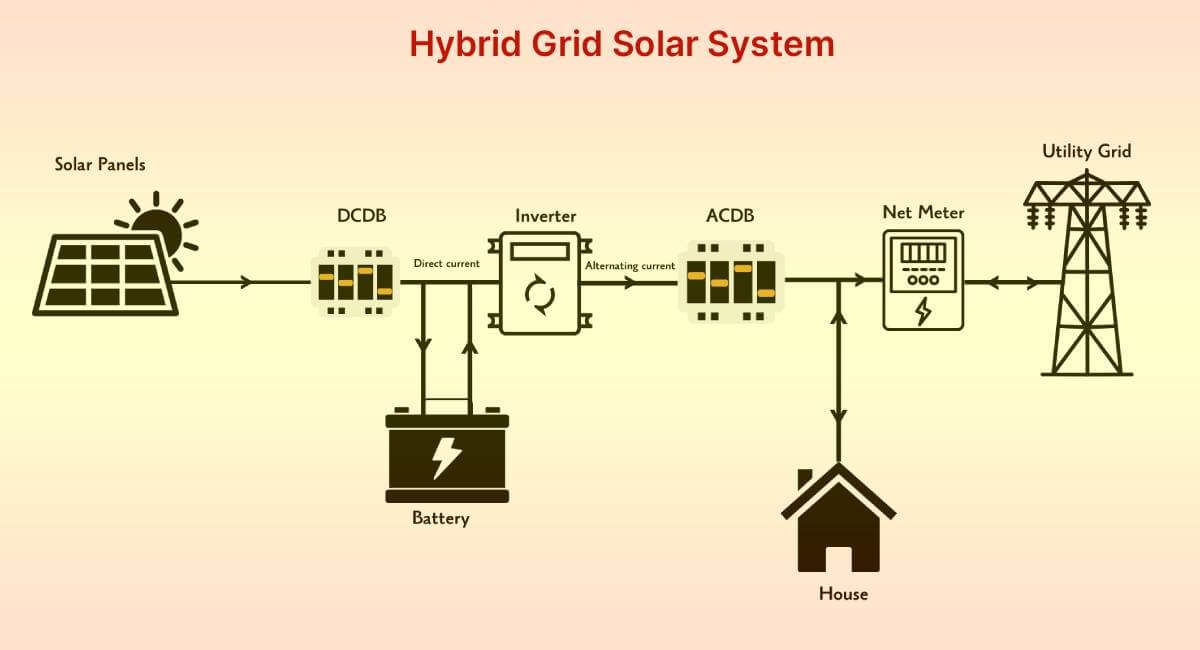
How It Works: The Mechanics of a Hybrid Grid
- Bidirectional Power Flow
- Real-Time Monitoring and Communication (The "Smart" Layer)
- Intelligent Control and Management
Benefits of a Hybrid Grid System
- Increased Resilience: Less prone to widespread blackouts; can isolate and restore faults quickly.
- Enhanced Efficiency: Reduces energy waste and maximizes the use of cheap, renewable energy.
- Lower Carbon Emissions: Facilitates the integration of a high percentage of renewables.
- Cost-Effectiveness: Can delay or avoid the need for expensive upgrades to traditional grid infrastructure (like new power lines or peaker plants).
- Consumer Empowerment: Gives consumers choice and potential revenue streams by participating in energy markets.
Save Your Money
Save money on utilities or increase the value of your home.
Home Is Energy
Everyday the sun provides us with free energy.
Consult & Plan
Our remote industrial solar systems designed to reliably power.